
Break down smart packaging tech, key industry pressures, and real-world execution with this guide to active, intelligent, and connected packaging.
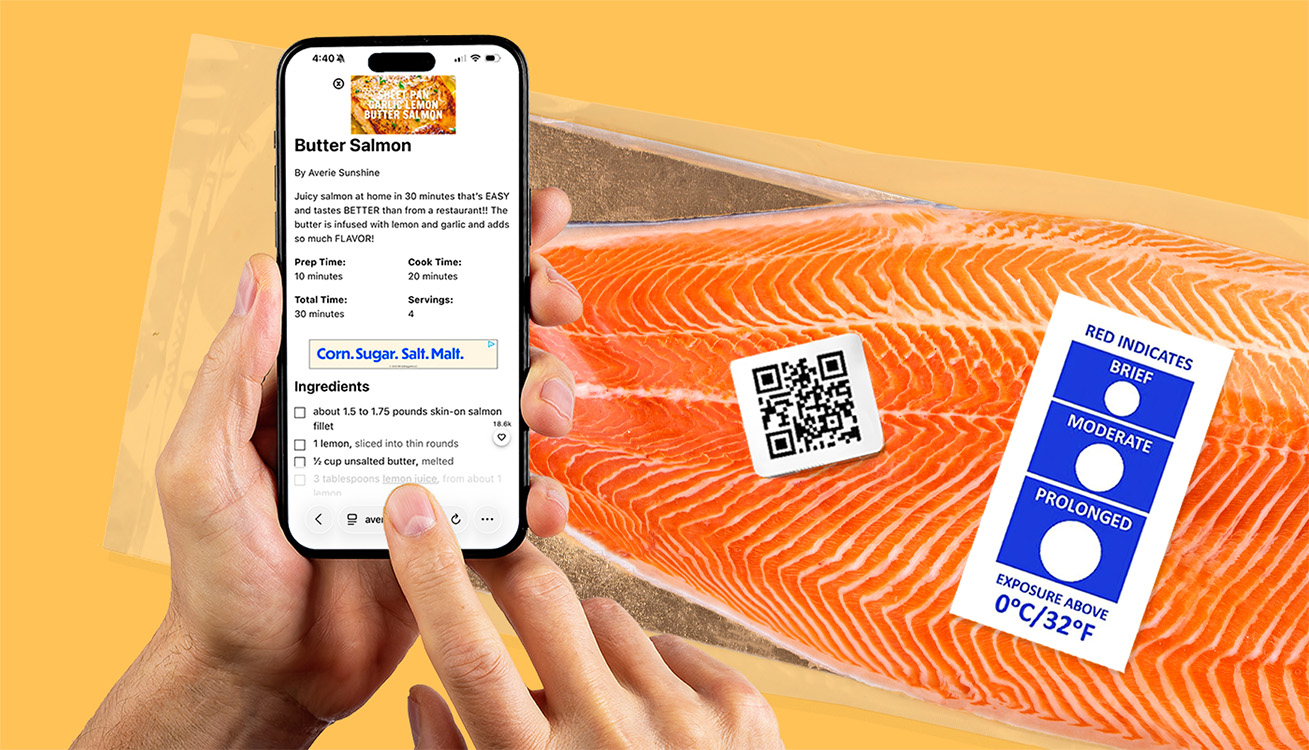
Does smart packaging sometimes makes you feel a little dumb? You’re not alone.
Between overlapping categories, unfamiliar technology, and an entire alphabet of acronyms, understanding smart packaging can feel like taking a test you’ve never studied for.
The simplest explanation is also the most useful: smart packaging does a job.
Instead of acting only as a passive container, it actively protects a product, monitors what happens to it, or connects the physical package to a digital world. Some systems do more than one, but most smart packaging technologies fall into three buckets:
Understanding these three jobs makes the technology much easier to sort through. It also makes it easier to decide which technologies are useful, which are unnecessary, and which are just expensive decorations without a real purpose.
With smart packaging making headlines more than ever it’s worth breaking down what’s causing the topic to trend. Right now, four distinct factors are pushing packaging out of the cardboard age and into its information age:
Through its Sunrise 2027 initiative, GS1 is pushing retail point-of-sale systems to process 2D barcodes alongside traditional linear barcodes by the end of 2027. Think of it as the Y2K of barcodes.
Those smaller scannable squares can connect a product’s identity to a massive amount of rich data: batch numbers, expiration dates, recalls, recycling guidance, and consumer content. The long-term vision is for a single code to support checkout, traceability, operations, and engagement. The 2027 target isn't a hard stop for the familiar UPC, but a shift toward systems being ready to scan both. As adoption grows, brands will eventually reclaim the packaging real estate currently hijacked by multiple codes and text blocks.
Global sustainability-led regulations are demanding accurate, accessible product and packaging data.
The common thread here? Data. Packaging is increasingly becoming the physical doorway used to identify a product and access its history. Including smart packaging elements allows brands to easily track and account for this data.
Major retailers are broadening the role of connected packaging to fix their own operational headaches. Take Walmart, for example. Their ongoing RFID initiative with Avery Dennison for fresh meat, bakery, and deli products gives individual items a digital identity.
For retailers, this tech improves inventory accuracy, manages use-by dates, and streamlines markdowns. For brands, it sets a new baseline expectation for how products are tracked through the supply chain.
Thanks to the post-2020 QR code revival, shoppers are officially trained to scan. That shift turns your packaging into prime digital real estate. Today’s consumers instinctively use their phones to access instructions, verify authenticity, or figure out how to recycle a box.
This creates a massive opportunity for packaging to carry the informational load that simply won't fit on a physical label. However, this doesn't mean every package needs a QR code leading to a miniature brand theme park. The connection still needs to be genuinely useful. Done right, it gives shoppers peace of mind while giving brands a direct, owned marketing channel right in the store aisle.
These four pressures are moving packaging toward greater functionality, but they do not point to a single, magic-bullet technology.
Picking the right smart packaging starts with understanding what job you actually need it to do. To cut through the noise, it breaks down into those three core verbs: act, monitor, and link.
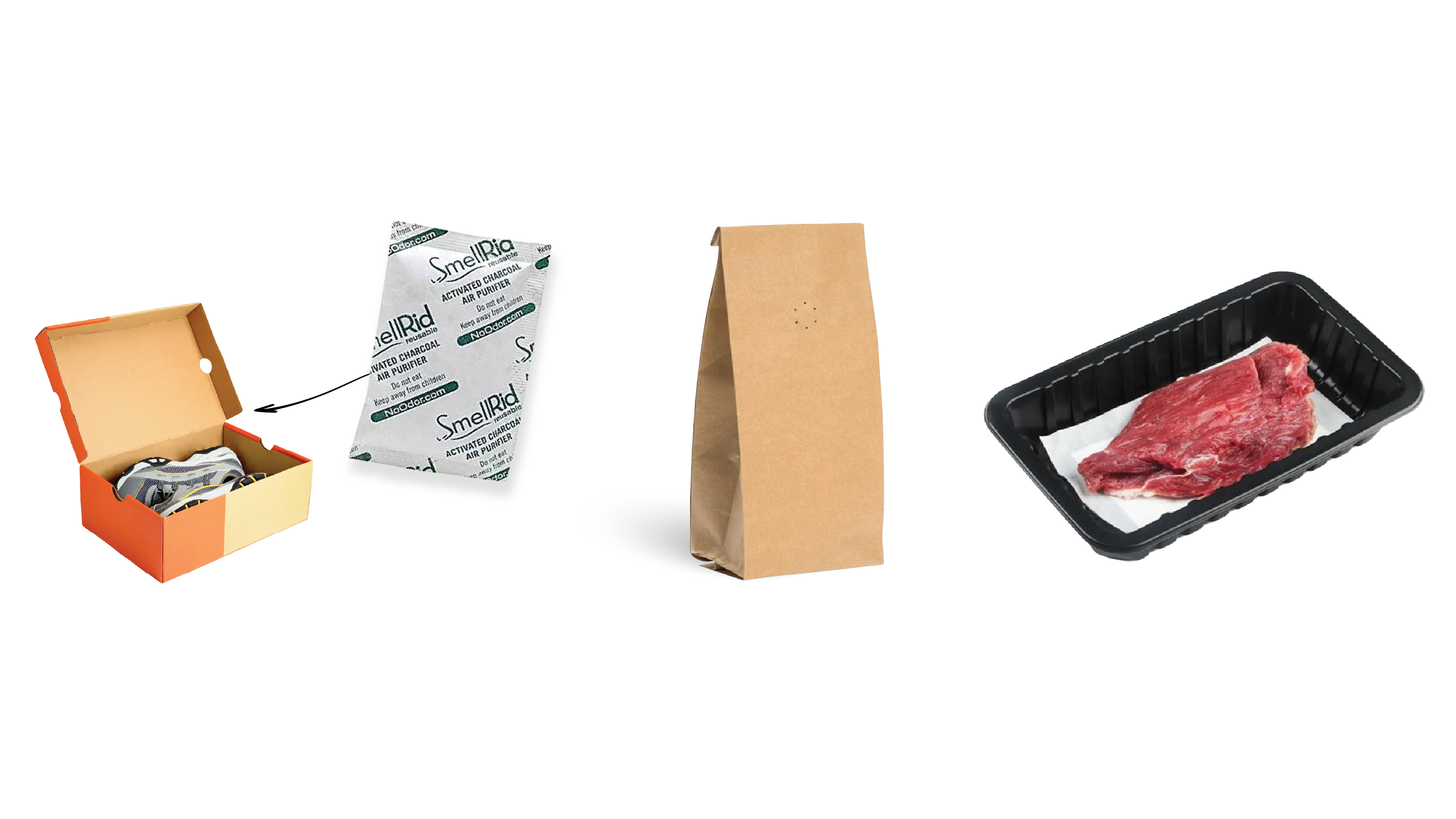
Active packaging interacts with the product or the environment inside its package. It may absorb, release, or regulate something to preserve quality, improve safety, or protect performance.
Common examples include:
Active packaging is most common in food applications because oxygen, moisture, microorganisms, and gas levels dictate shelf life. Unlike a traditional barrier that just tries to keep the outside out, active packaging gets its hands dirty and actively controls the environment.
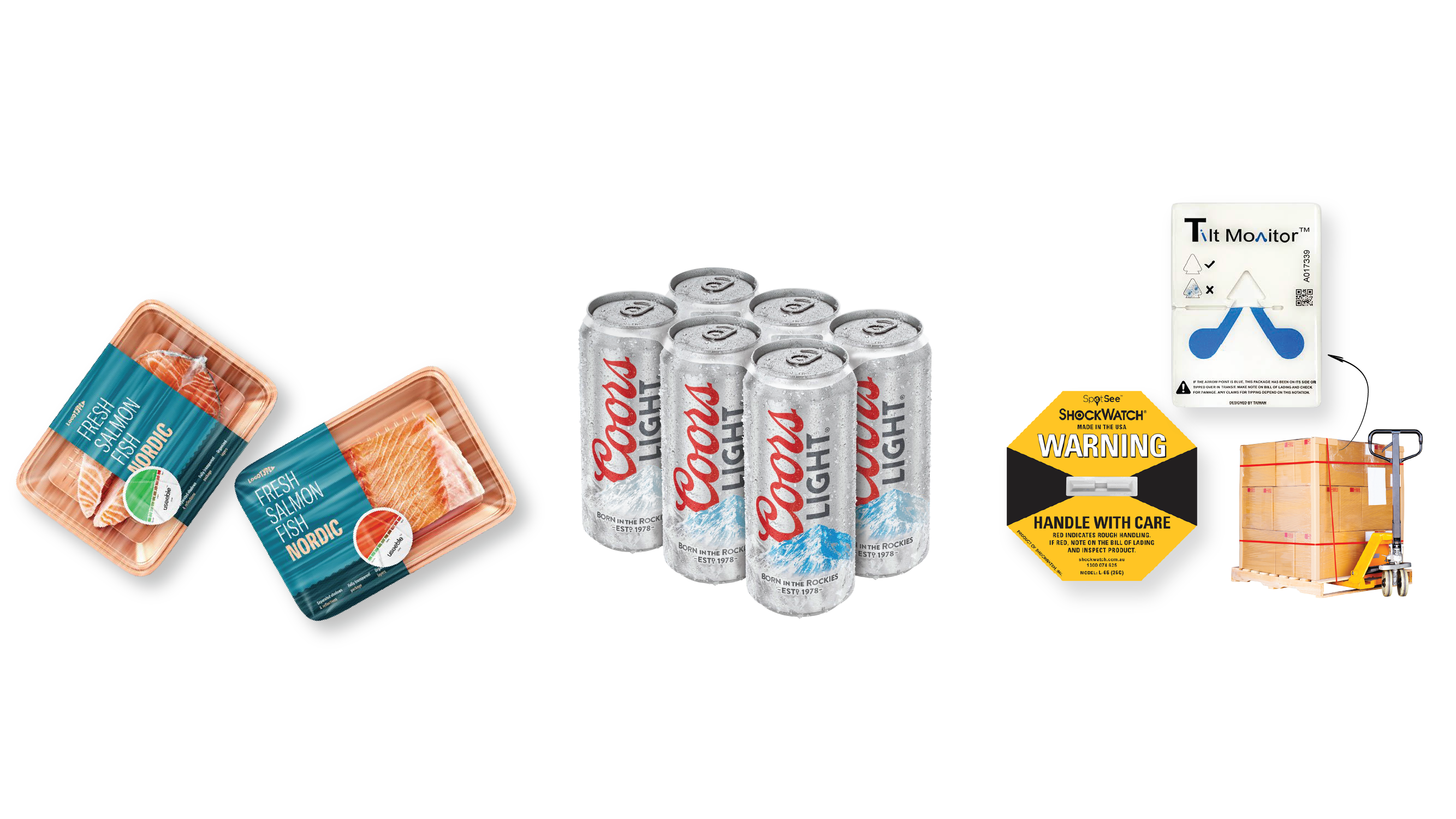
Intelligent packaging collects or communicates information about the product, package, or journey. It’s like a fitness tracker for packaging. It can’t do the workout for you, but it can tell you exactly how your performed.
It can help answer questions such as:
Time-temperature indicators, gas sensors, shock monitors, and temperature data loggers all live here. Intelligent packaging doesn't prevent a problem. Its job is to detect and record it. This makes the invisible parts of a product's journey visible, which is incredibly valuable for cold-chain goods, sensitive electronics, or fragile medical equipment that might look perfectly fine on the outside even if disaster struck in transit.
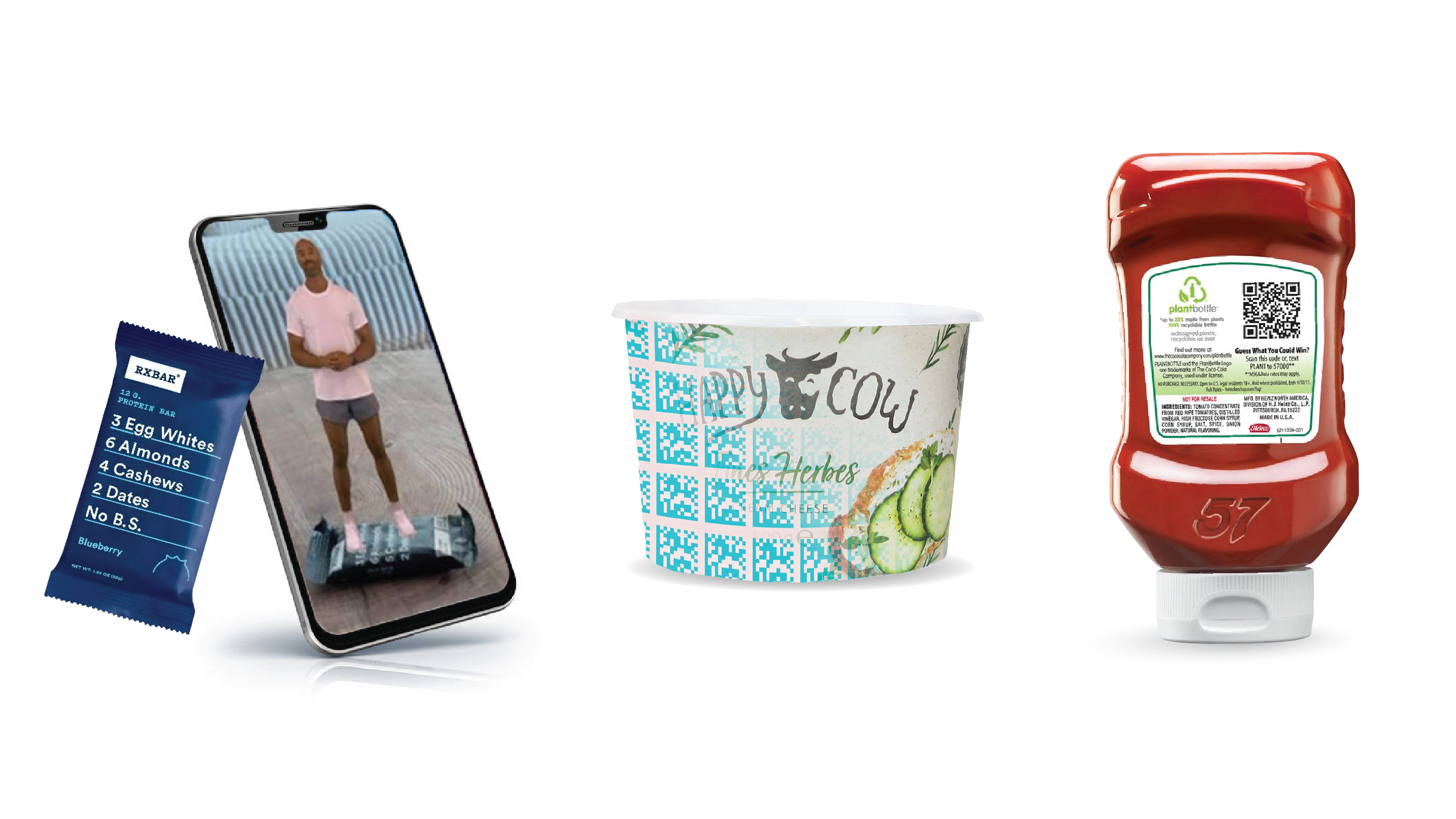
Connected packaging gives a physical, static package a digital doorway.
A QR code might lead a shopper to recycling guidance. An NFC tag might verify authenticity with a tap. An RFID label helps a retailer locate a specific box in a warehouse without a direct line of sight. Digital watermarks can support automated recycling sortation.
Connected packaging powers:
The important part is to not just slap something on a box and call it a day. The connection needs a clear audience, reliable data, a maintained destination, and a reason to interact.
It is easy to get distracted by sensors, chips, tags, and color-changing labels. But the best starting point is always asking: what problem does this package actually need to solve?
Smart packaging only earns its name when it does the right job without making the rest of the package less effective.
Download the full Smart Packaging Guide for a handy summary to keep at your desk the next time you're trying to figure out which tech actually makes sense for your brand.


